Bahn- und Heimatgeschichte...
Wilsdruff war über sieben Jahrzehnte Zentrumspunkt eines über 100 Kilometer umfassenden Schmalspurnetzes, das verkehrstechnisch ein Gebiet von etwa 800 Quadratkilometern mit über 180.000 Einwohnern erschloss. Das Netz entstand ab 1886 durch Inbetriebnahme einer ersten Stichbahn von Freital-Potschappel nach Wilsdruff, und die einzelnen Strecken wuchsen bis 1923 zum Netzverband zusammen. Fast alle Schmalspurstrecken in Sachsen wurden bis auf wenige Ausnahmen mit einer Spurweite von 750 mm ausgeführt. Innerhalb des Wilsdruffer Netzes gab es 43 Bahnstationen, der Bahnhof Wilsdruff war sogar der zweitgrößte Schmalspurbahnhof Deutschlands. Mit dem Namen des Wilsdruffer Schmalspurbahnnetzes verbindet sich auch der Einsatz der allseits bekannten Dampflokgattung VI K, der spektakuläre Bruch der Wurgwitzer Eisenbahnbrücke und vieles mehr.In den Jahren 1966 bis 1973 wurden die Strecken des Wilsdruffer Schmalspurbahnnetzes Opfer der Wirtschafts- und Verkehrspolitik in der damaligen DDR. Diese Entwicklung wurde durch den zunehmenden Individualverkehr und die nach und nach geschaffenen Möglichkeiten zur Verlagerung der Gütertransporte auf die Straße möglich. Für die Erhaltung und Modernisierung der wirtschaftlich unrentablen Nebenbahnen gab es damit keine Chance mehr. Heute erinnern wir uns mit ein wenig Wehmut an die längst vergangene Schmalspurbahnzeit rund um Wilsdruff.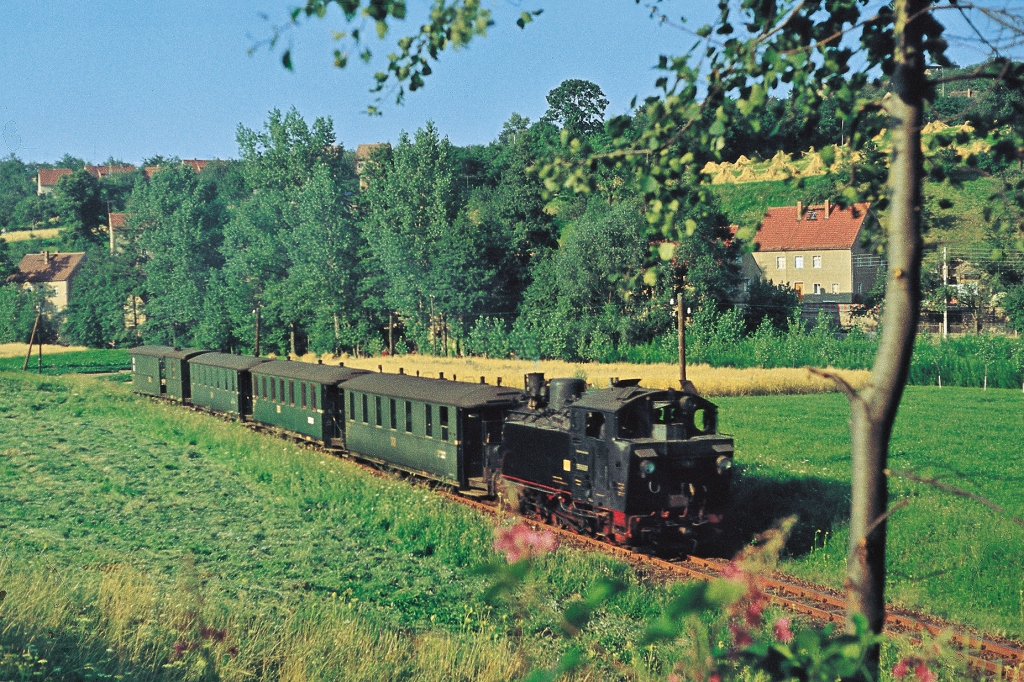
Personenzug nach Wilsdruff im Tal der Kleinen Triebisch, 1965, Foto L. Dachsel
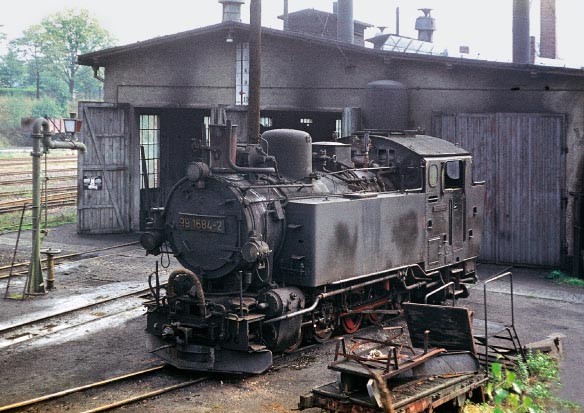
99 684 vor dem Wilsdruffer Lokschuppen am 11. September 1971
Foto Archiv P. Wunderwald
...lebendig erhalten
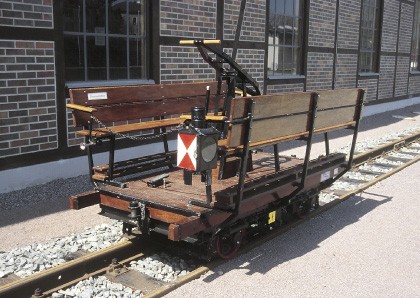
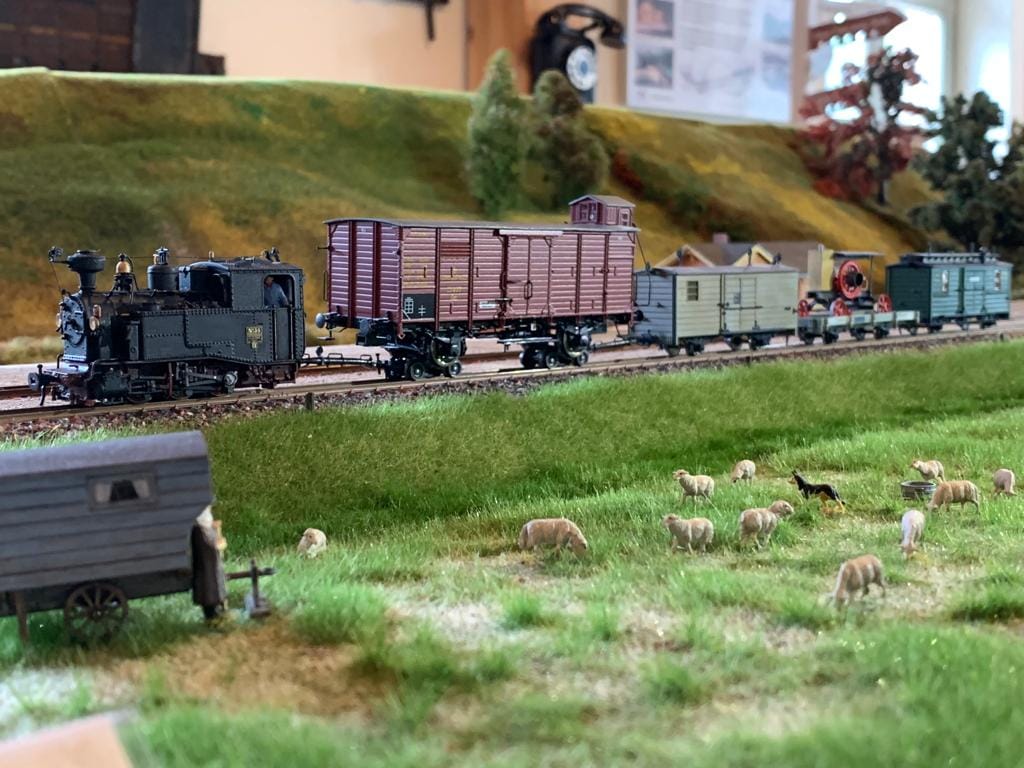
Seit vier Jahrzehnten engagieren sich Eisenbahnfreunde für die Erhaltung noch vorhandener Sachzeugen und die Erforschung der Geschichte der Schmalspurstrecken rund um Wilsdruff. Dazu wurde 1984 die IG Verkehrsgeschichte Wilsdruff gegründet. Ergebnisse dieser Aktivitäten sind die Eisenbahnhistorische Schauanlage am ehemaligen Hp Wilsdruff, das Schmalspurbahnmuseum "Historischer Lokschuppen Wilsdruff" sowie die bekannten Wunderwald Bahnbücher. Daneben laden die reizvollsten Abschnitte der ehemaligen Bahntrassen zum Wandern oder Radfahren in der Region ein. Unser Verein wünscht Ihnen eine gemütliche virtuelle Reise von der Vergangenheit bis zur Gegenwart des einst größten sächsischen Schmalspurbahnnetzes. Einschdeichn biddää!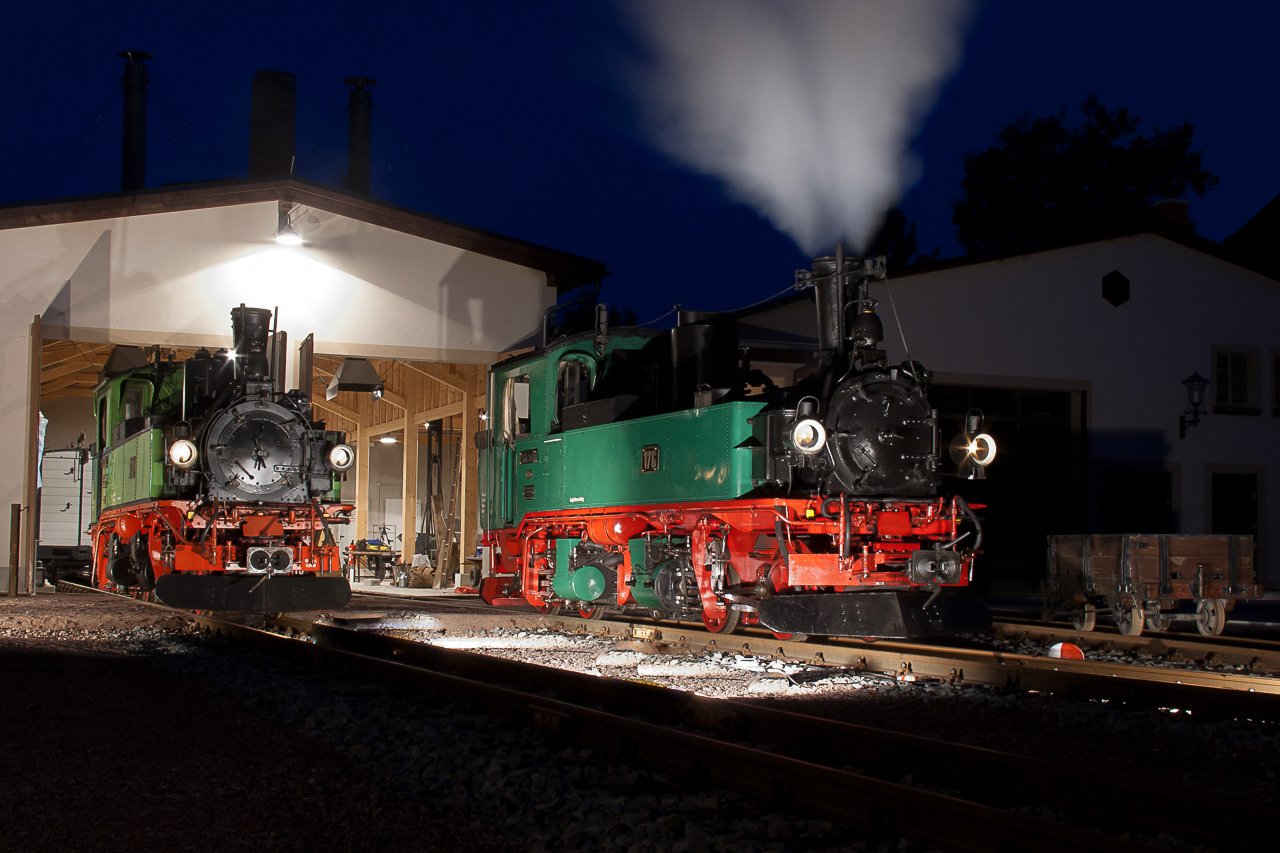
IVK Nr. 132 und 176 vor dem historischen Lokschuppen Wilsdruff
14. August 2009, Foto: R. Jugelt
Neuigkeiten
02.01.2025
Jahresrückblick 2024

19.04.2024
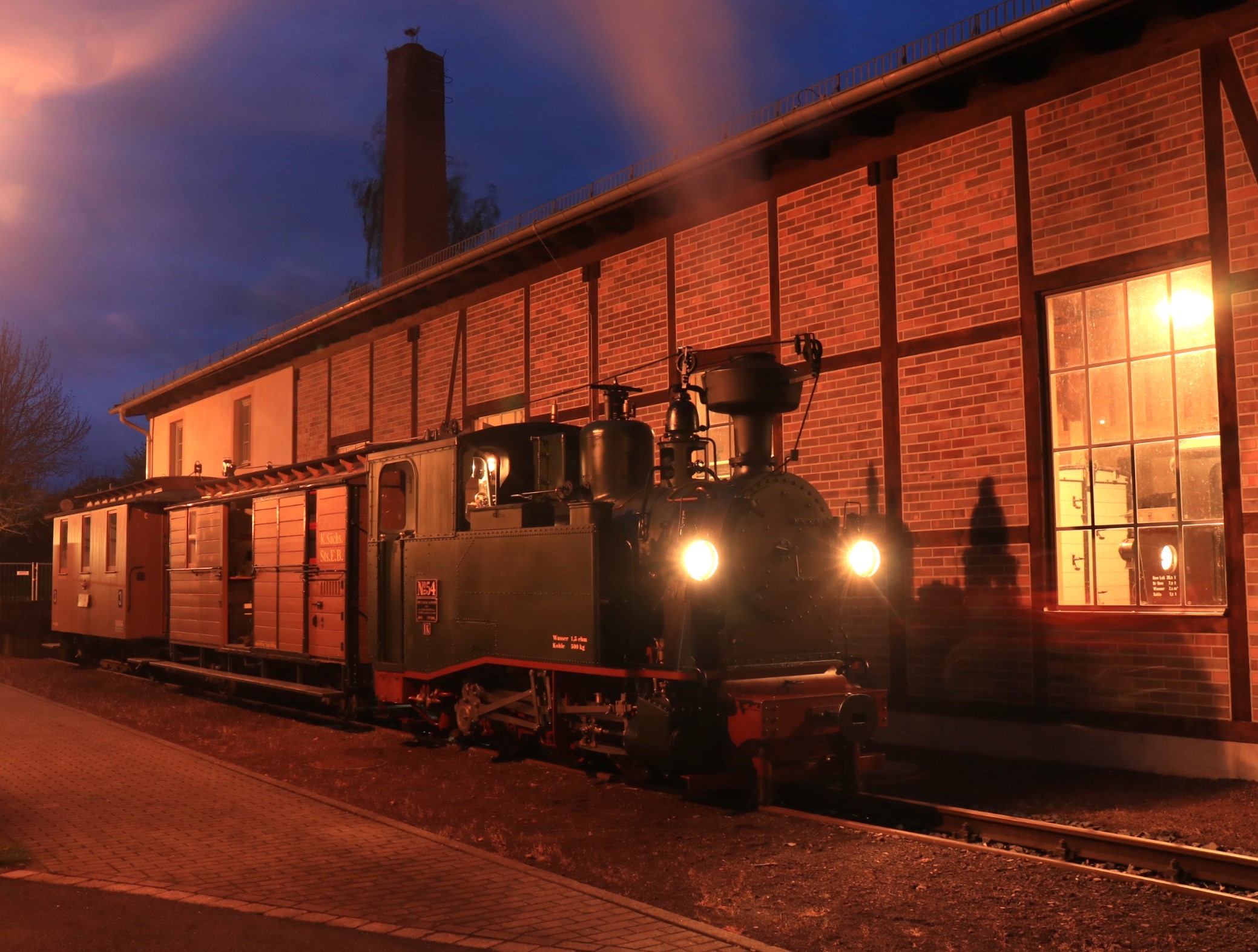
Es dampft wieder in Wilsdruff
14.04.2024
Neue Bahnbücher
14.04.2024
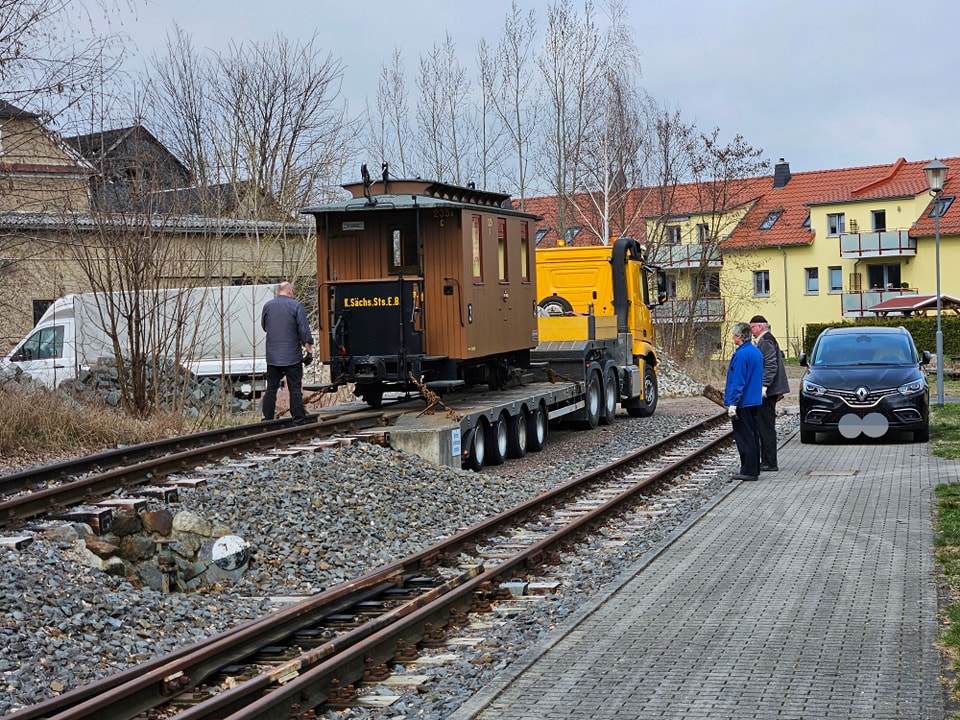
Personenwagen 235 K in Wilsdruff eingetroffen
04.02.2024
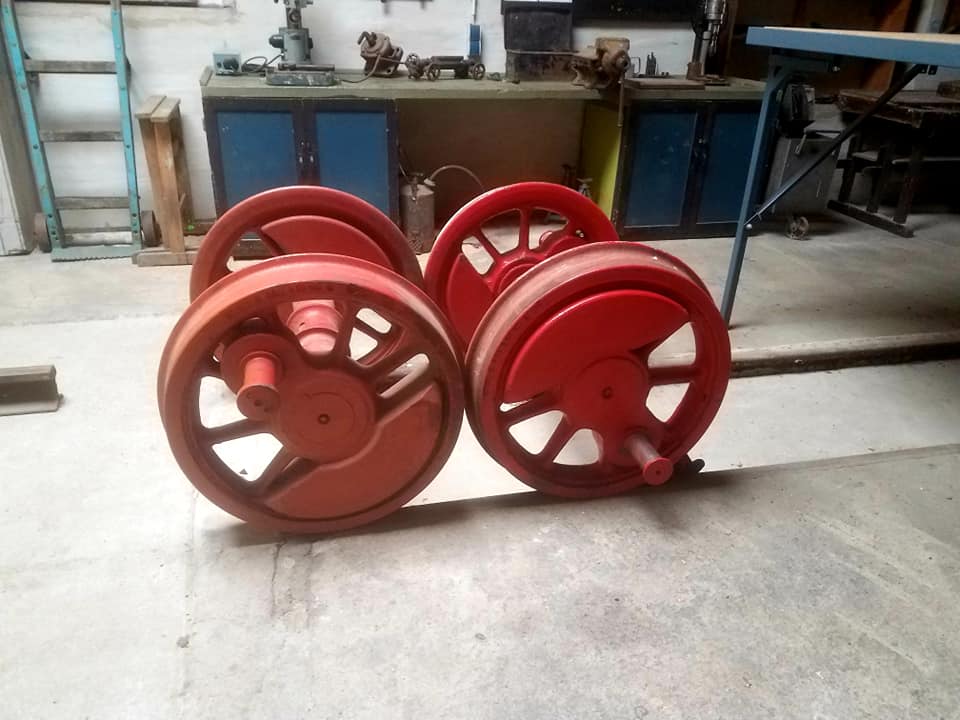
Erster Arbeitseinsatz 2024
04.02.2024
Relaunch unserer Homepage
31.01.2024
40. Jahrestag der Vereinsgründung
13.01.2024
Jahresrückblick 2023
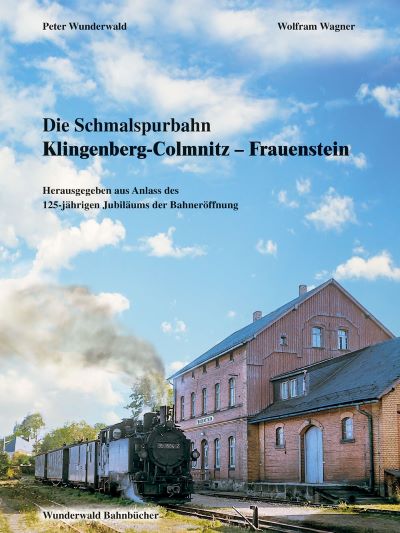
21.04.2023
Buch Klingenberg-Colmnitz – Frauenstein – ab sofort erhältlich!
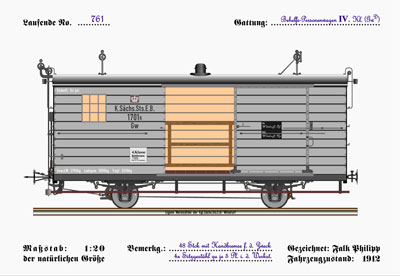
14.03.2023
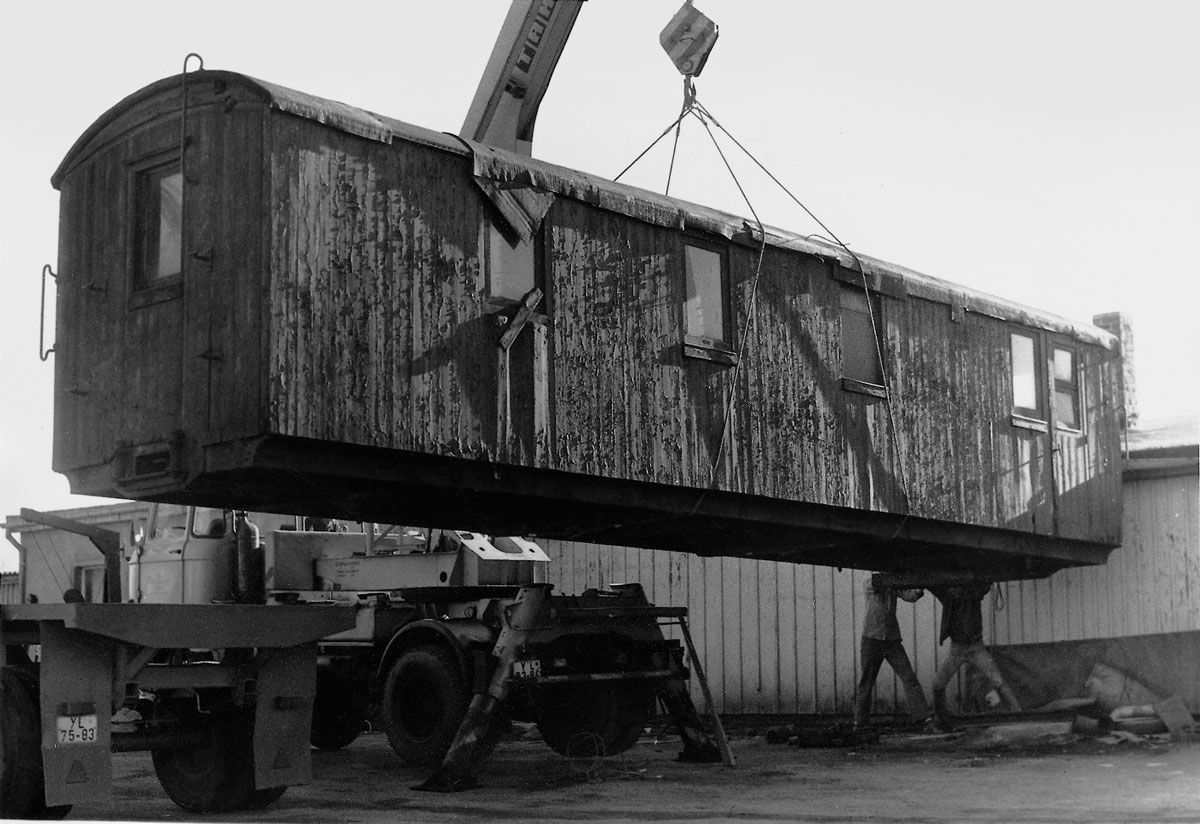
Spendenaktion – Vom Güterwagenkasten zum betriebsfähigen Behelfspersonenwagen
06.02.2022
Potschappel – Wilsdruff in bewegten Bildern